





FAQ NetBanking
27. Why is my NetBanking IPIN (password) not functioning?
There could be various reasons for the PIN (password) not functioning .The most common reason is :
* The PIN (password) is case-sensitive and may not have been entered in the same lower or upper case as mentioned in the PIN envelope sent to you.
28. How do I change my password?
To change your IPIN (password), please follow the instructions given below
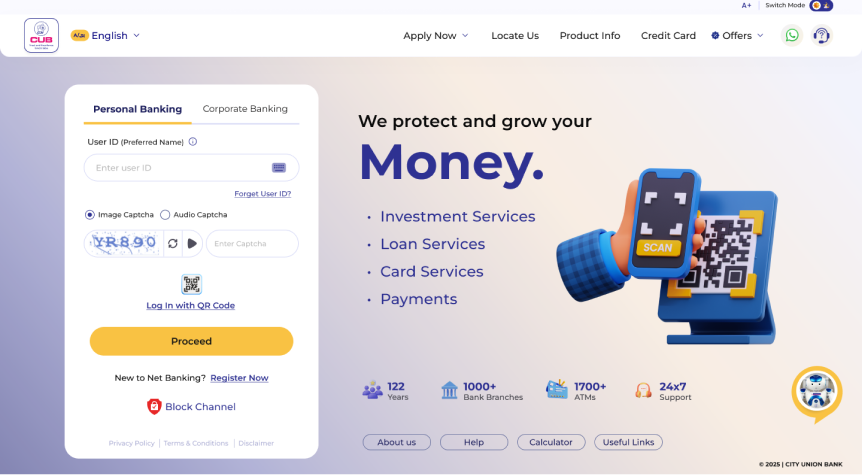
*Go to NetBanking Log-in page and key in the Cust ID and password. The passwords are case-sensitive. Please key in the same lower or upper case as mentioned in the PIN envelope.
*After having logged in, change the password using the change password option. The password should be alpha-numeric and the minimum character length is 6 and maximum of 22. Example password phrase will be shown at the bottom of the password change window
29. I have changed my password but am unable to use my old or new password. What am I supposed to do?
This is possibly because:
* The new IPIN (password) is not entered correctly OR
*After three unsuccessful attempts, access to NetBanking has been disabled for security reasons. It will get released automatically after an hour.
30.How can I block my IPIN (password) or un-register ?
A written instruction from you to block your IPIN or to unregister your internet banking can be given to your home branch.
31. What are the measures I can take to ensure greater security?
- Log-out from the NetBanking once the transactions were completed. Never leave the PC unattended with the net banking open.
- Always change the password continuously, choose "strong" 6 to 22 digit passwords (alphanumeric) and change them regularly; avoid obvious passwords (names of family members, pets, favourite musician etc), and don't reveal the passwords to anyone.
- Password should not be written on a paper or in a mobile and kept which may be easily accessible to anyone.
- Put in a power-on password in the PC so that nobody else can switch on the machine.
- Have a screensaver password so that your workstation can be accessed by nobody when the user is away.
- If one think someone knows the password go online and change it immediately
- As far as possible avoid using net banking from PCs used by public like internet café and if left with no other option do not leave the PC unattended and ensure that no one is watching the typing. Also ensure that you log out of the net banking immediately after the operation is completed.
- Logoff from NetBanking upon completion of the operation by clicking on the logout button and not by shutting the window, so that the session closes . This will prevent the viewing of previous pages of the online session .
- Consider running a Personal Firewall, which will prevent unauthorised persons from accessing the computer and guard against the introduction of malicious programs onto the PC.
- Update your Operating System and Browsers with the latest patches. Use a Personal Firewall on your PC. Use the latest updated Anti Virus Software Never click on hyperlinks embedded in suspicious email messages.Do not open suspicious email attachments even if it has emanated from a person you know.
- Do not disclose your personal information to any Email purported to have emanated from the Bank. We do not seek any personal information over Email.. By maintaining secrecy of your User id and passwords you can prevent unauthorized access.
- The best way of maintaining secrecy is to commit your User id and passwords to memory and change your passwords frequently.
- Beware of Phishing attacks.: The act of sending an e-mail to a user falsely claiming to be an established legitimate enterprise in an attempt to scam the user into surrendering private information that will be used for identity theft.
The e-mail directs the user to visit a Web site where they are asked to update personal information, such as passwords and credit card and bank account numbers, that the legitimate organization already has. The Web site, however, is bogus and set up only to steal the user’s information
| Back |
|---|